
· IVEA Concepts
Meet Chef Junzo Miyajima: The Saitama-Born Chef Behind IVEA's Japanese Kitchens
He started cooking at 20, worked in New York, ran a ramen kitchen in Washington and wrote dishes served at 26 restaurants nationwide. Today Chef Junzo Miyajima designs some of the most talked-about Japanese restaurants in Washington, Maryland and Virginia.
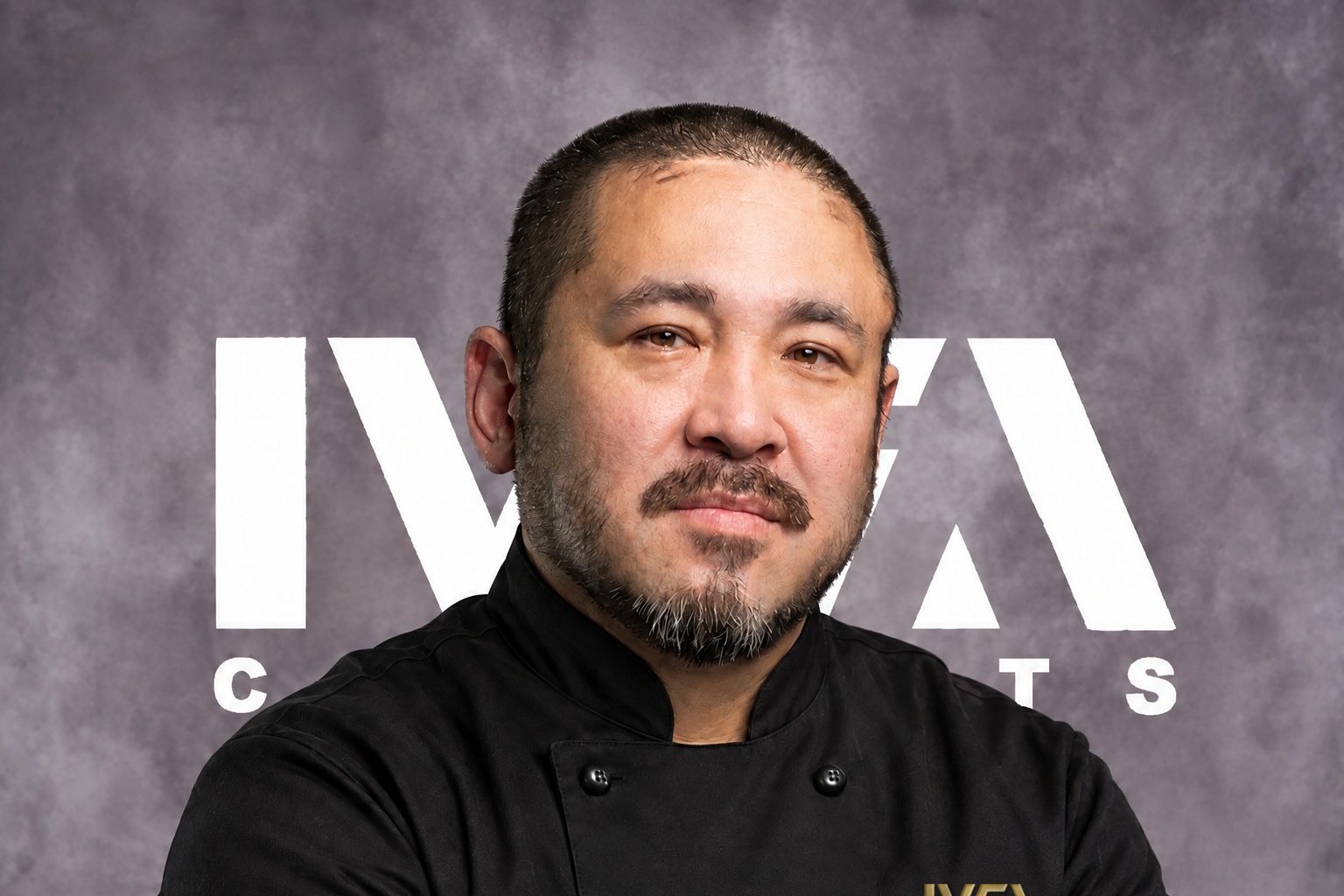
If you have grilled A5 Wagyu over ceramic heat in Arlington, waited for a soufflé pancake to rise in Centreville, or watched a soft omelet twist over fried rice at Scout on the Circle in Fairfax, you have eaten Chef Junzo Miyajima's cooking. IVEA Concepts lists him as its Executive Master Chef and a co-founder, and his menus sit behind more dining rooms in the region than most diners realize.
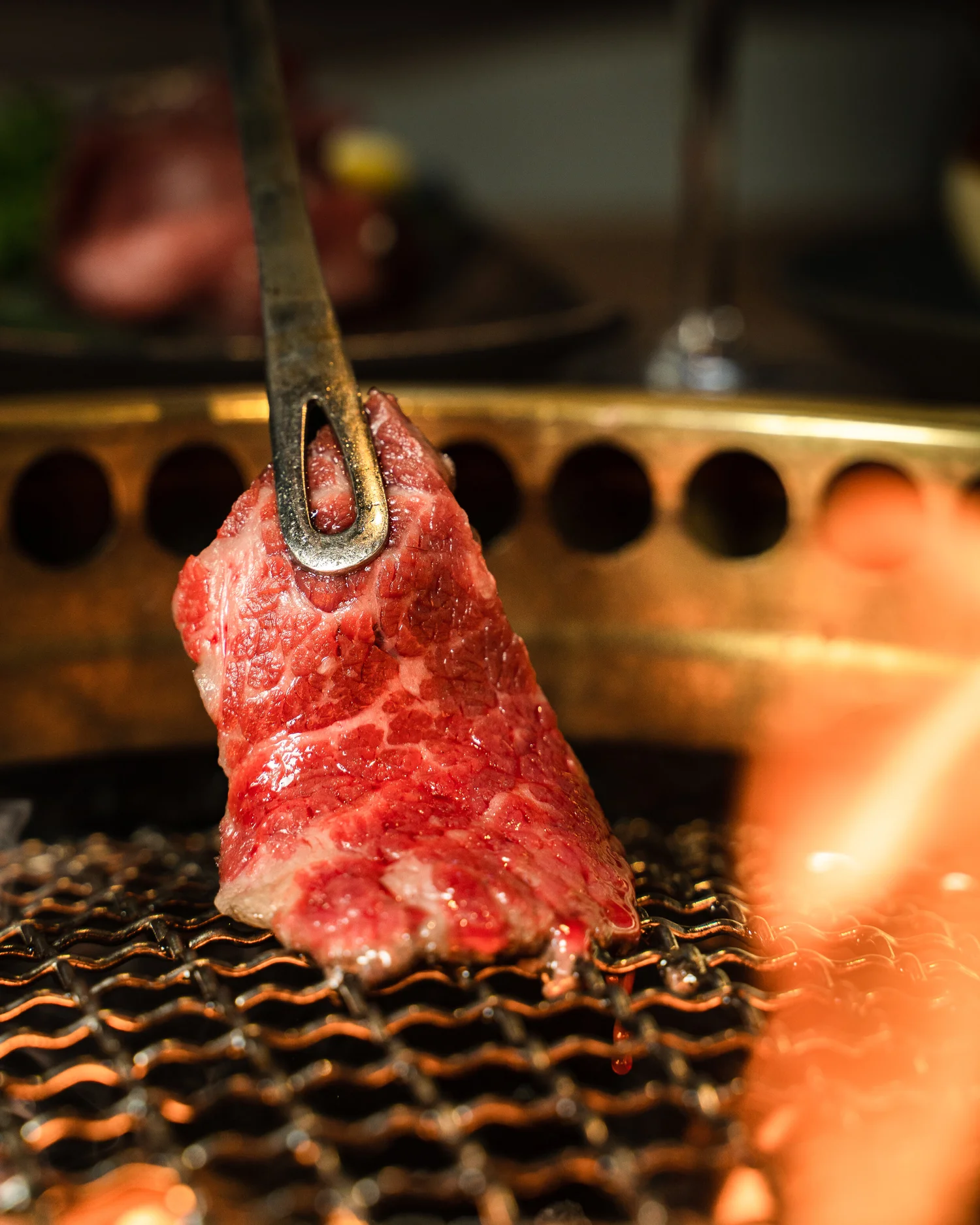
Junzo was born in Saitama Prefecture, just north of Tokyo, and started cooking professionally at 20. Gyusan describes him as a chef with more than 20 years of experience who, as IVEA's corporate chef, produced three Japanese BBQ restaurants in the DMV along with other Japanese restaurants and a café. That range shows on his menus: yakiniku and shabu-shabu, sushi and izakaya plates, ramen and even soufflé pancakes.
Before the DMV, he worked in New York at EN Japanese Brasserie in Greenwich Village. In Washington he was the chef at Kaiju Ramen on Barracks Row, which the Washingtonian put on its 2022 list of favorite new restaurants. It noted that he "may buck tradition when it comes to ramen" with a squid-ink bowl finished with Parmesan, while keeping the noodles and broths housemade in the Japanese manner. The same list mentioned a $66 Wagyu ramen, cheese-filled mochi and an octopus "corn dog". Deep respect for technique, plus a willingness to have fun with it, runs through everything he has built since.
His reach goes well past one city. As executive chef for Kyuramen, he created three dishes with Lee Kum Kee sauces that launched at 26 locations nationwide in 2024: a Pork Tonkatsu Omurice, a Lobster and Chashu Salad Ball and a Miso Chili Crisp Dry Ramen. "We always aim to add a touch of nostalgia to our customers' dining experience," he said, describing dishes meant to take diners on "a flavorful journey that transcends generations and cultural boundaries."
Ask him about ramen and he gets practical. He told HuffPost to order shoyu or salt ramen if you like it light, and miso or spicy if you want intensity. He cooks noodles separately "so that the starch will not affect the taste and thickness of the broth," and he keeps photos quick: "take too long and the noodles will get soggy and cold." He is wary of novelty for its own sake, too: being "too innovative by mixing up random stuff like chocolate or fruits is not recommended." His own go-to toppings are simple: a soft egg, chashu or chicken, kikurage mushrooms, bamboo shoots and nori.
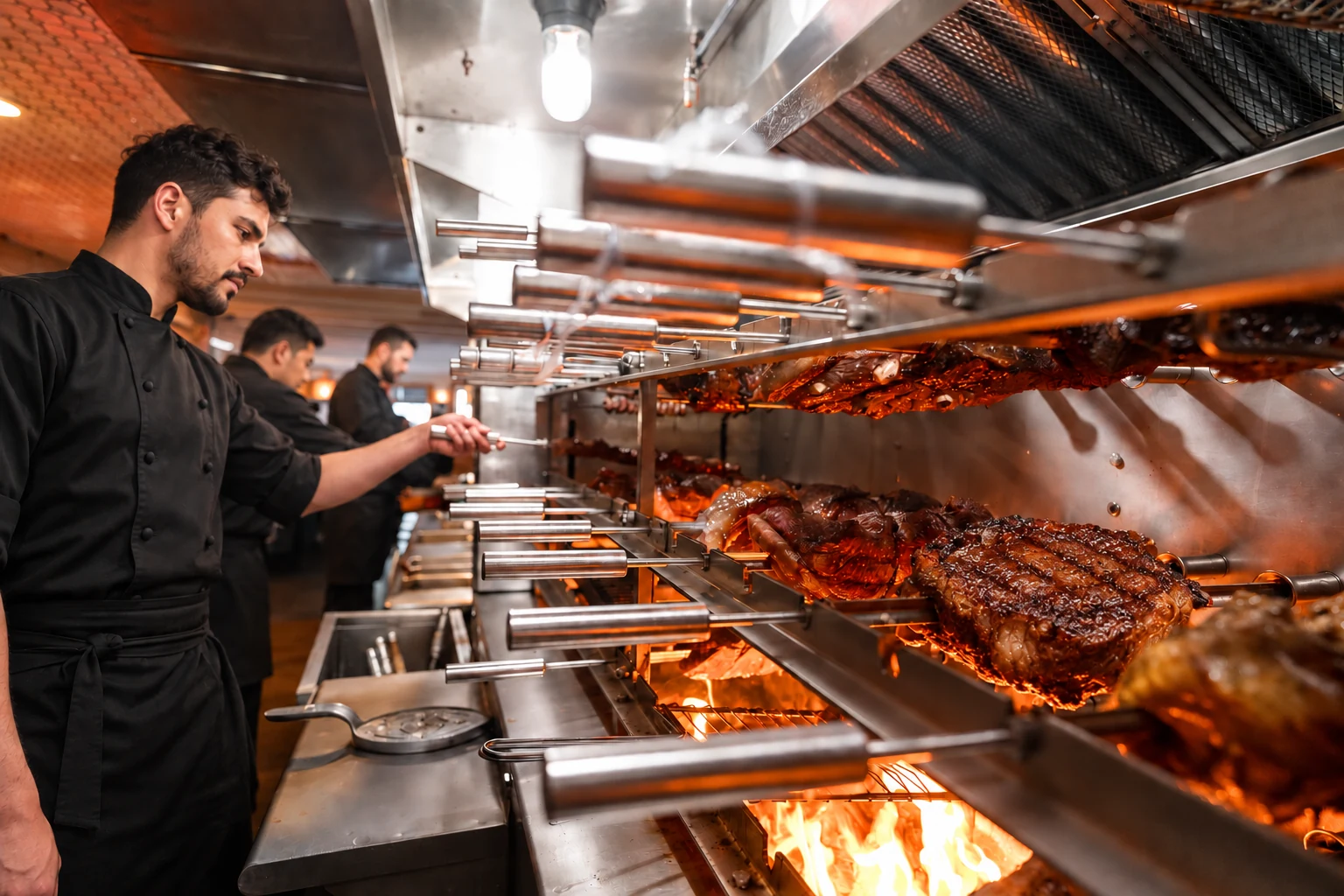
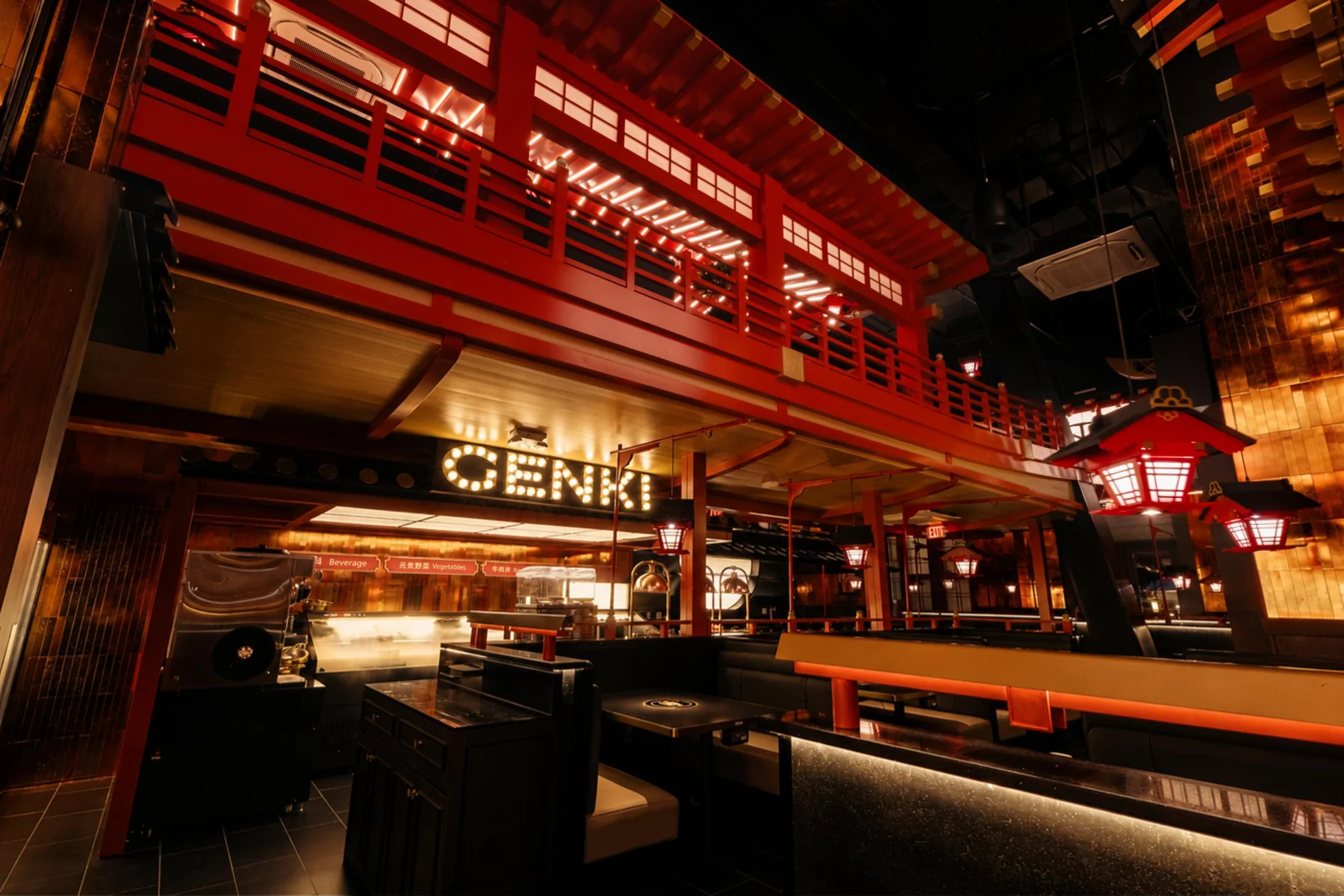
Today his work runs across the region. At Gyu Shige in Fairfax's Mosaic District, the first U.S. location of a Tokyo yakiniku chain, Northern Virginia Magazine called him the creative force behind the menu. At Gyusan in Arlington and Columbia he is chef and co-owner. At Okaeri Japanese Café he perfected soufflé pancakes the magazine called the region's only authentic version. He also designed the menus at Genki Izakaya in Fairfax, Genki Wagyu House in Rockville, Churasuko in Tysons, which the Washingtonian called the first Japanese-Brazilian steakhouse of its kind, and Gyuzo BBQ in Rockville Town Square.
Look across those menus and a pattern appears: prime ingredients like A5 Wagyu at the center, cooking close to the guest on a tabletop grill or in a pot of broth, and room to play. It is serious food meant to be enjoyed, not studied. In the coming weeks, each restaurant's own journal will tell the story of its menu and the dish to order first.
Picture a spring morning in Saitama: a chef home for a week takes the slow train to the fish market he has known since he was a teenager. An old fishmonger, sleeves rolled to the elbow, slides a paper cup of warm dashi across the counter and waves away payment. One sip of the chef's own broth and the old man grins: "Too much salt." Imagine the hour that follows, two cooks laughing and arguing over kombu and patience, and four words scribbled on a napkin on the flight home: less salt, more time.
Sources
- https://www.ivea.co/team
- https://www.gyusan.com/
- https://www.hillrag.com/2022/01/20/forty-layers-of-lasagna-at-lardente/
- https://washingtonian.com/2022/08/18/cheap-our-10-favorite-new-restaurants/
- https://www.fb101.com/lee-kum-kee-partners-with-kyuramen-on-exclusive-dishes-celebrating-asian-heritage
- https://www.huffpost.com/entry/how-to-make-eat-and-order-ramen_l_68273bb1e4b0a2fcab72607d
- https://northernvirginiamag.com/food-and-drink/2022/12/20/okaeri-japanese-cafe/
- https://www.tysonsreporter.com/2021/02/02/new-mosaic-district-restaurant-to-bring-japanese-barbecue-to-fairfax-county/
- https://www.genkiizakaya.com/
- https://washingtonian.com/2026/01/12/a-japanese-brazilian-fusion-steakhouse-in-tysons-is-the-first-of-its-kind/